Listening for the Second Response
Published during Homeopathy Awareness Month
Back in March, I shared the first part of my prayer plant’s journey with Silicea 30CH. This was just before the start of Homeopathy Awareness Month. It was a small, quiet case—an experiment in listening, healing, and trusting the subtle cues of a living system.
Now, several weeks later, I return with Part Two of her story during this month where we reflect more deeply on the relevance of homeopathy. This story is not of dramatic transformation. It is about real, observable change. This gentle shift speaks to the heart of what homeopathy is.
Listening in the Stillness
It’s been just over three weeks since I offered that first dose. In that time, I’ve misted lightly and held back from any further input—no fertilizer, no repotting, no unnecessary rescue attempts. Just observation, patience, and presence.
To be honest, I was worried at first.
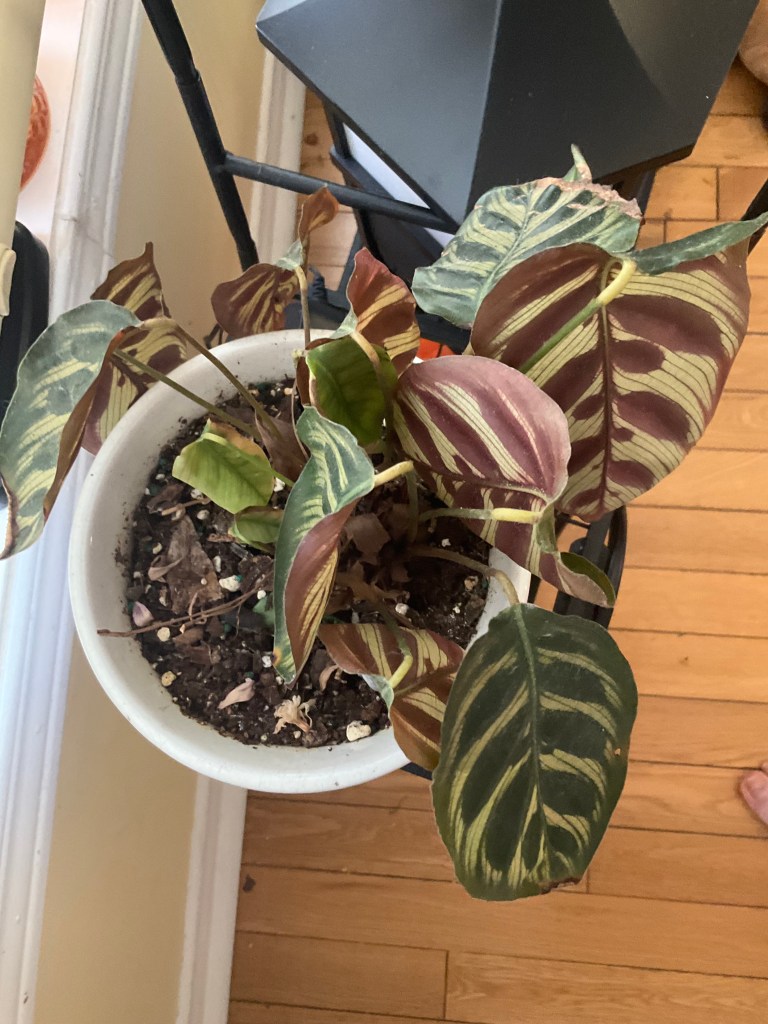
Her leaves seemed more curled. The edges crisped. For a while, it felt like I might have misunderstood the case—or that the remedy stirred something uncomfortable. But I reminded myself: homeopathy doesn’t always bring immediate uplift. Sometimes, healing passes through a moment of uncertainty.
And then—last week—something shifted.
One leaf unfurled. A few others stood taller. Her overall posture changed. There’s a quiet sense of self-returning, an inner organization taking shape that wasn’t there before.
Subtle Healing, Real Change
Silicea is known for its quiet power—restoring structure, supporting assimilation, and helping life energy rise from within. And now, I see that energy working through her. Not in flashy transformation, but in a soft and steady return to form.
This case, though simple, is a reminder:
Healing isn’t always a dramatic reversal.
Sometimes, it’s one small step at a time.
A gesture of growth. A slight upward lean. A sign that something has taken root.
A Message from the Quiet Ones
There’s a sacredness in tending to beings that don’t speak in words. We learn to notice, to feel, to respond in rhythm with them. This plant continues to teach me what it means to listen—and how powerful that listening can be.
Many of us—plants and people alike—don’t cry out when we’re struggling. We retreat. We protect. We conserve energy. But we’re still alive in there, waiting for a signal that it’s safe to stretch again.
Maybe that’s what homeopathy is at its best:
A signal that says, “It’s safe now. You can rise.”
Looking Ahead
I’ll continue observing—no repeat dose yet. The remedy is still unfolding. And I’ll keep sharing these little plant journeys, because there’s wisdom in the way nature responds to care.
Especially the quiet ones.
“Healing is often found in the quietest responses.”
 Empowered by Homeopathy: Your Guide to Holistic Health
Leave a comment