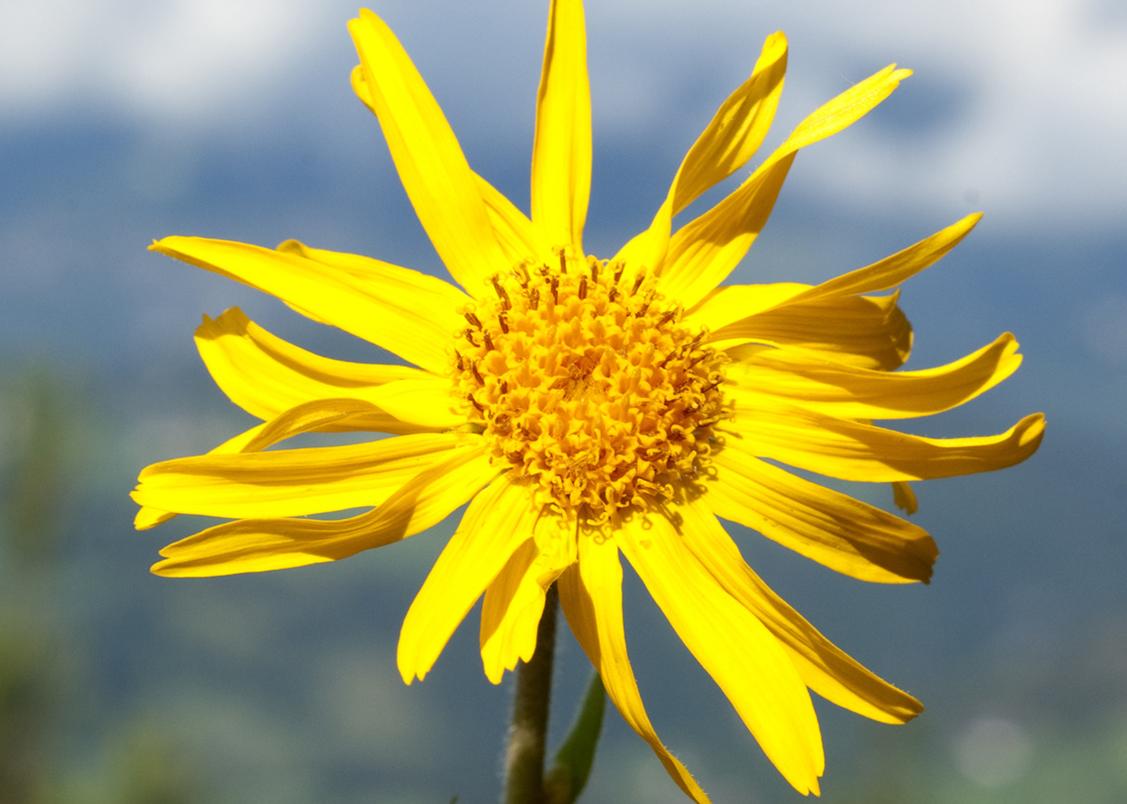
Herbal Teas: Nature’s Comfort in Every Sip
There’s something so deeply satisfying about harvesting plants from your own backyard. You bring them into your home. Then, you transform them into soothing teas. Every herbal tea tells a story, and these stories are grounded in the natural world around us. Whether it’s dandelions picked from the grass, or lavender clipped from the garden. Wild chamomile might be found on a quiet walk. Magic resides in these simple plants. There’s a special quality in them.
Last night, I paused for a moment of reflection. I tuned in to a captivating webinar titled Homeopathy and Herbalism: Contrasts and Convergences. Canadians for Homeopathy hosted the event, and Victor Cirone was the speaker. The webinar took us on an insightful journey. It explored the relationship between herbalism and homeopathy. These are two healing practices that often intersect and complement one another. As I listened, these plants and remedies came to mind. They have intertwined with my own life. They have become part of my practice. The conversation gave me a deeper appreciation of nature’s gifts. Herbs, flowers, and trees hold wisdom for both body and soul.
The Healing Powers of Backyard Botanicals
In my own backyard, the dandelions have always held a special place. These sunny yellow blooms are often regarded as weeds, but they have such powerful medicinal properties. Every spring, I look forward to the dandelions’ appearance. My first ritual is to harvest them — making sure to leave enough for the bees and other pollinators — and use them in everything from a refreshing dandelion salad to a hearty root tea. When brewed, the roots provide a gentle cleanse for the digestive system, offering support for liver function.
It’s not just about medicinal benefits, though. These plants evoke memories and connections. I remember picking dandelions with my grandmother and making wishes as I blew the puffball seeds into the wind. That connection between the plant and the story of my childhood is a powerful reminder of how herbs bridge the gap between our inner world and the natural world.
As spring turns to summer, the lavender in my garden flourishes, its purple spikes reaching toward the sun. Lavender has always been a staple in my tea repertoire, especially when the weather turns cold, and I need something comforting to help me unwind. I can almost feel the warmth of summer evenings as I brew a cup. Lavender is a soothing herb for the nervous system and helps calm anxiety — the perfect antidote when life feels a little too chaotic. There’s something deeply healing in the act of brewing this calming tea during the winter months, reminding me of the sunny warmth of the garden and the peace it offers.
A Walk in the Woods: Chamomile and Its Healing Touch
While lavender and dandelion may be close to home, some of my most treasured herbal moments come from the woods. On quiet walks, I find wild chamomile growing in the most unexpected places. The small, white flowers are so delicate, yet their impact on the body is nothing short of profound. Chamomile is well-known for its soothing properties, making it the perfect herbal remedy when stress starts to pile up. I often make chamomile tea when I feel overwhelmed or just need to take a step back and relax.
The beauty of chamomile isn’t just in its flavor; it’s in the connection we form with the natural world. Walking through the forest reminds me of this connection. Harvesting chamomile and brewing it shows me that healing is a journey, not a destination. It’s about being present and feeling the energy of the plants. We allow them to nourish us—mind, body, and soul.
Herbalism is more than just a practice; it’s an experience. The plants communicate in subtle ways. Their messages can be incredibly impactful when we take the time to listen. They’re not just ingredients for tea. They’re messengers teaching us to slow down. They encourage us to be mindful and to connect with the earth that sustains us.
Homeopathy and Herbalism: Contrasts and Convergences
Last night’s webinar, Homeopathy and Herbalism: Contrasts and Convergences, was a true eye-opener. Victor Cirone led the discussion. It delved deep into the ways these two healing modalities, often seen as separate, actually complement each other. This creates a dynamic, holistic approach to health. Victor has vast experience in both herbalism and homeopathy. He shared insights that bridged the gap between these two systems of healing.
The idea that both herbalism and homeopathy collaborate with the body’s innate intelligence stood out to me. This innate wisdom, inherent in all of us, knows how to heal itself when given the proper support. I reflected on when I’ve used herbal remedies. I also thought about using homeopathic remedies in tandem to support my own health and well-being. The synergy between the two is truly remarkable.
Victor highlighted that plants have been at the forefront of healing since the beginning of time. We can use a plant’s whole form. Alternatively, we can use a potentized remedy in homeopathy. In both cases, we experience the plant’s healing power in multiple ways. It speaks to us through its physical properties. It also communicates through its energetic properties. He emphasized that plants are not just about their chemical constituents but about the energy they carry. There is a “spirit” of the plant. When we tune into it, this spirit can offer profound insights into the body’s healing process. In homeopathy, the concept of the plant’s “vibrational signature” is crucial. This is the energetic imprint that helps to restore balance in the body.
Bridging the Gap: Homeopathy and Herbalism as One
It was incredibly inspiring to hear Victor speak about the intersection between homeopathy and herbalism. In his view, these two systems are not at odds but rather work together to support the individual’s healing journey. You can use a homeopathic remedy made from a plant. Alternatively, you might drink the plant as a tea. Each method offers healing. They provide healing on a deep, energetic level. The key, as Victor pointed out, is understanding that each modality offers something unique. Together, they create a more comprehensive and effective healing experience.
I practice homeopathy and love exploring herbal remedies. I’ve found that incorporating both approaches into my life creates a holistic sense of balance. It’s like tuning a guitar — when everything is in harmony, the music is beautiful. The more I explore both herbalism and homeopathy, the more I realize how they complement each other. Each offers a different way of supporting the body’s natural ability to heal.
Herbal Teas and Healing: A Never-Ending Journey
Whether you’re sipping on a cup of dandelion root tea to support your liver, know this. You might also choose to unwind with lavender when life gets stressful. You might also be sipping wild chamomile to calm your mind. You are partaking in an ancient tradition of healing. Plants have been our companions for centuries, offering wisdom, comfort, and healing through their vibrant presence. They speak to us in ways that transcend words, helping us reconnect with the earth and our own inherent wisdom.
The next time you brew your favorite herbal tea, pause to reflect on the healing powers of the plants. Think about the stories they carry. Are you curious to dive deeper into the world of herbalism? Then take a leaf from my book. Explore both herbalism and homeopathy. You might just discover a new way to bring balance and harmony into your life.
 Empowered by Homeopathy: Your Guide to Holistic Health
Leave a comment